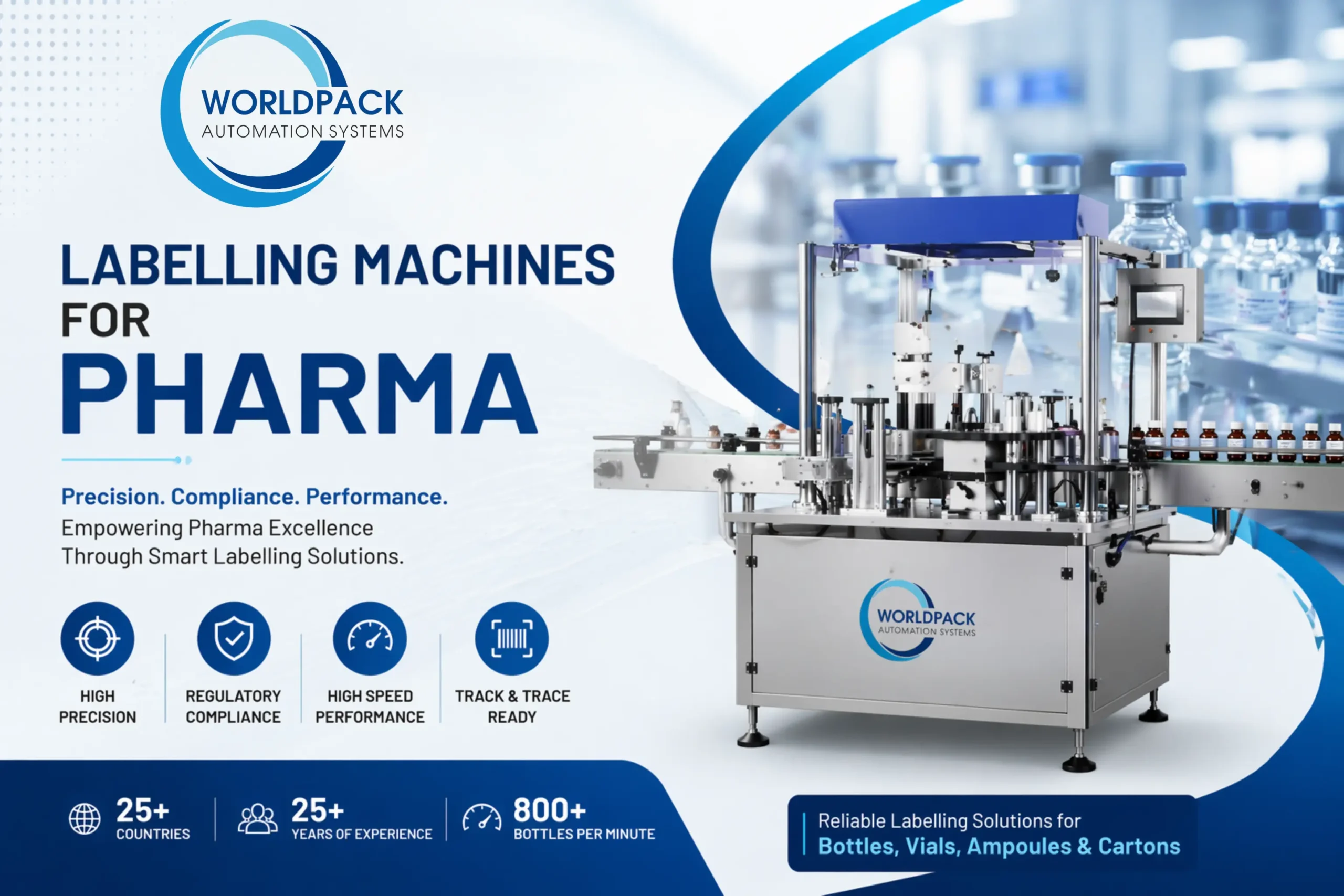
In the pharmaceutical industry, accuracy is critical at every stage of production—especially when it comes to labelling. Labels are not just identifiers; they carry essential information such as dosage instructions, batch details, expiry dates, and regulatory codes. Any error in labelling can lead to compliance risks, product recalls, or even compromise patient safety. This makes advanced labelling machines a vital investment for pharmaceutical manufacturers.
Why Precision Labelling Matters in Pharma
Pharma companies operate under strict regulatory frameworks such as GMP, where traceability and accuracy are mandatory. Even minor inconsistencies in label placement or printing can result in serious consequences. Therefore, manufacturers require labelling machines that ensure consistent accuracy, high reliability, and seamless integration with production lines.
Modern labelling solutions are designed to deliver precise label placement across various packaging formats, including bottles, vials, ampoules, and cartons. This ensures uniformity and compliance across high-volume production environments.
Key Features of Pharma Labelling Machines
Advanced labelling machines used in the pharmaceutical sector are equipped with features that enhance both productivity and quality:
- High Accuracy: Ensures precise label placement, even at high speeds
- Automated Synchronization: Adjusts automatically with production line speed for smooth operations
- Zero Downtime Capability: Continuous operation through smart system design
- Modular Integration: Compatible with printers, scanners, and vision inspection systems for barcode, QR code, and batch verification
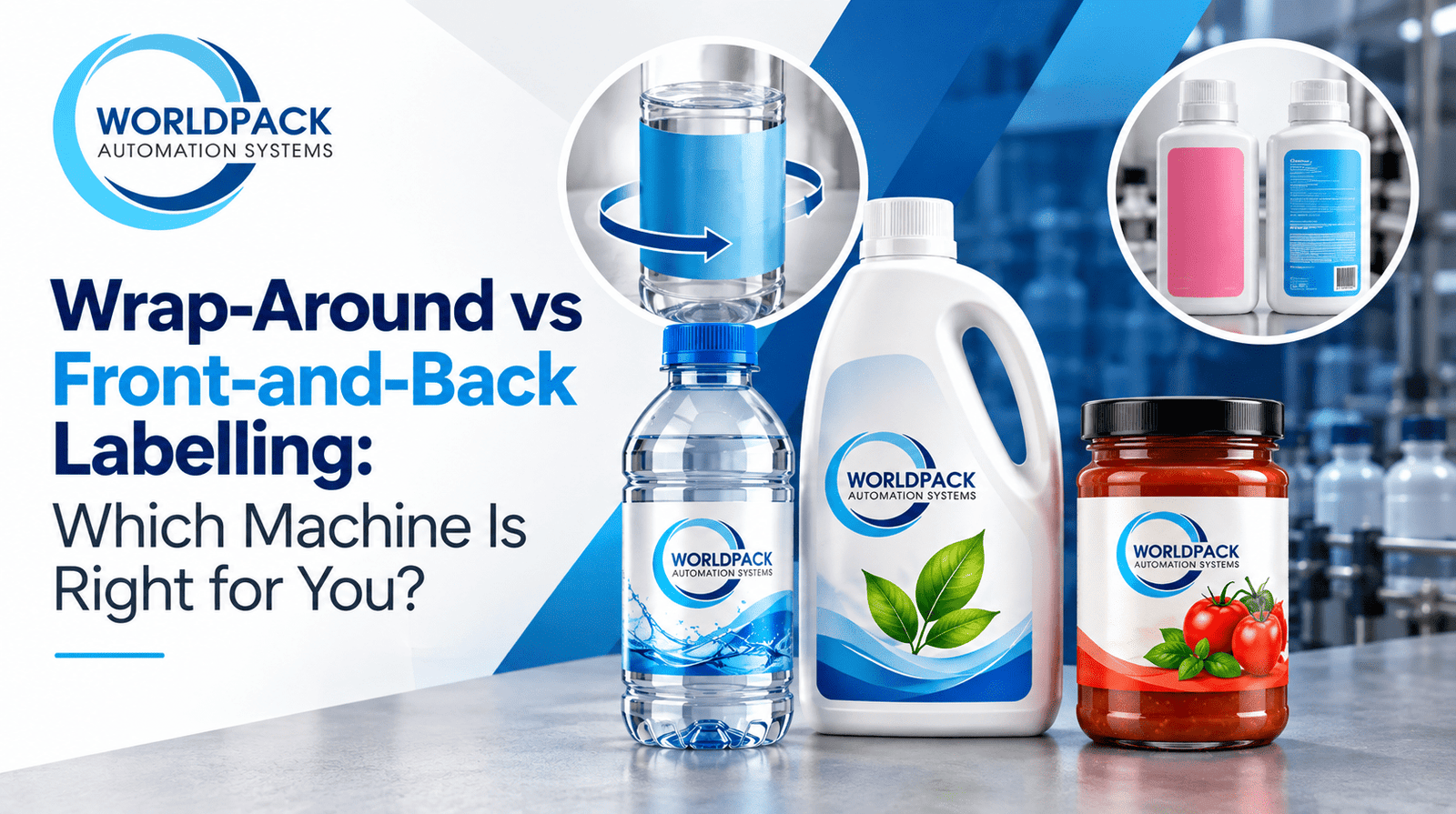
- Flexible Operation Modes: Supports multiple labelling formats including front, back, top, and wraparound applications
These features help pharma manufacturers maintain efficiency while meeting stringent compliance standards.
Types of Labelling Solutions for Pharma
Different pharmaceutical products require specialized labelling systems. Some of the most commonly used machines include:
- Bottle Labelling Machines: Ideal for syrups and liquid medicines, supporting multiple shapes such as round, flat, and oval
- Vial Labelling Machines: Designed for small containers like injectables and eye drops, ensuring precision handling
- Tamper Evident Labelling Machines: Used for applying security seals on cartons to prevent product tampering
- Print & Apply Systems: Enable real-time printing and application of labels for logistics and secondary packaging
- Inspection Systems: Ensure quality control through automated detection of errors and integration with track-and-trace systems
These machines work together to create a streamlined and compliant packaging process.
Benefits for Pharmaceutical Manufacturers
Investing in advanced labelling machines provides several advantages:
- Regulatory Compliance: Meets global pharma standards and reduces risk of penalties
- Improved Productivity: High-speed automation reduces manual intervention
- Enhanced Product Safety: Accurate labelling ensures correct information reaches end users
- Cost Efficiency: Minimizes errors, wastage, and rework
- Brand Trust: Clean and precise labelling enhances credibility in the market
Why Choose Worldpack for Pharma Labelling
Worldpack Automation Systems specializes in delivering high-performance labelling solutions tailored to the pharmaceutical industry. With a focus on innovation, durability, and precision engineering, Worldpack machines are designed to handle complex labelling requirements with ease.
Their solutions are built for seamless integration, minimal downtime, and long-term reliability—helping pharma companies scale operations while maintaining compliance and quality standards.
Conclusion
In an industry where precision directly impacts safety and compliance, labelling machines play a crucial role. For pharmaceutical manufacturers, adopting advanced labelling technology is not just about automation—it is about ensuring accuracy, efficiency, and trust. Choosing the right partner like Worldpack can make all the difference in achieving operational excellence and regulatory confidence.